 Skip to content

Articoli scientifici
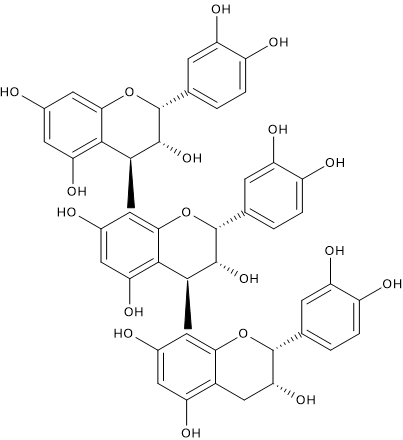
L’importanza delle proantocianidine
nel trattamento dell’acne lieve
Index
Acnevolgareis normally caused by a bacterium known as cutibacterium acnes, which inflames the hair follicle and the attached sebaceous gland. Since this is an inflammatory disease, but also caused by a bacterial infection, it is evident how the use of active ingredients with anti-inflammatory and antimicrobial action can help reduce symptoms or regress the problem altogether in milder cases.
As a first approach to an acne situation, it may be useful to use active ingredients of natural origin and free of side effects, in order to fight infection and inflammation and avoid the need for the patient to take antibiotics or other medications.
A recent study has highlighted how, for example, proanthocyanidins obtained from larch bark extract are toxic to common pathogenic bacteria (e.g., Staphilococcus aureus) and destroy their cell wall and cell membrane. This prevents the proper production of proteins necessary for the bacterium to function and, by binding to bacterial DNA, also the reproduction of the bacterium.[1]
Similar conclusions can also be reached by considering other phytoextracts containing such molecules, such as extracts of pine needles[2] or maritime pine bark[3]: these types of plant-derived active ingredients all show important antimicrobial activity.
Evidenze scientifiche a supporto della tesi
There is scientific evidence in the literature indicating that dry extracts of plants in the genera Hamamelidae, Pinus, and Vitis are rich in proanthocyanidins; in addition, there is evidence regarding the attested anti-inflammatory capacity of these active ingredients.
Dietary supplementation by proanthocyanidins can, therefore, help reduce inflammation and infection causing the typical manifestations of acne vulgaris. In addition, it can be an excellent support for antibiotic therapy, as proanthocyanidins are known to reduce bacterial antibiotic resistance in two ways:
- Preventing the formation of biofilms that bacteria use to adhere to substrates and protect themselves
- Inhibiting bacterial DNA transcription, thus the synthesis of enzymes responsible for antibiotic resistance.[4,5]
By virtue of the properties described above, Wikenfarma has formulated Dedalox: the first nutraceutical with proanthocyanidins developed for that patient with mild acne in whom it is premature to embark on a pharmacological course. Unlike other products that contain only generic trace elements, Dedalox exploits a precise scientific rationale to reduce inflammation and counteract skin microinfection.
In light of the above, to support antibiotic therapy in mild acne cases especially in the late spring and summer period (many antibiotics are known to be photosensitizing[6]) Wikenfarma has devised and recommends the following treatment protocol:
- Dedalox 2 cpr daily (morning and evening) combined with Kenflor 1 cp per day on an empty stomach during therapeutic vacations from antibiotics to limit photosensitization, fight acne, and restore physiological balance of gut microbiota
- Dedalox 1 cpr daily ( Morning) combined with Kenflor 1cp daily on an empty stomach during antibiotic treatment to maximize efficiency and maintain the physiological balance of the intestinal microbiota.
Bibliografia
Condividi l'articolo sui tuoi social!
Stay up to date*, sign up for our Newsletter to receive every article on your email!
Potrebbe interessarti anche...
-
 23 Feb 2026STUDIO SU UN NUTRACEUTICO ED UNA LOZIONE FITOTERAPICA IN DONNE CON ALOPECIA FEMMINILE POST-MENOPAUSA
 -
 15 Sep 2025THE USE OF GINKGO BILOBA EXTRACT IN THE TREATMENT OF CHRONIC FATIGUE SYNDROME
 -
 04 Jul 2025ON THE USE OF SPECIFIC NUTRACEUTICALS AS ADJUNCTS TO TREATMENTS FOR ADHD
 -
 24 Jun 2025THEY TALK ABOUT TRIVIS UV ON “THE SKIN”
 -
 19 Jun 2025ON THE BENEFITS OF HYALURONIC ACID ON SCALP AND FOLLICLES
Prodotti in questo articolo:
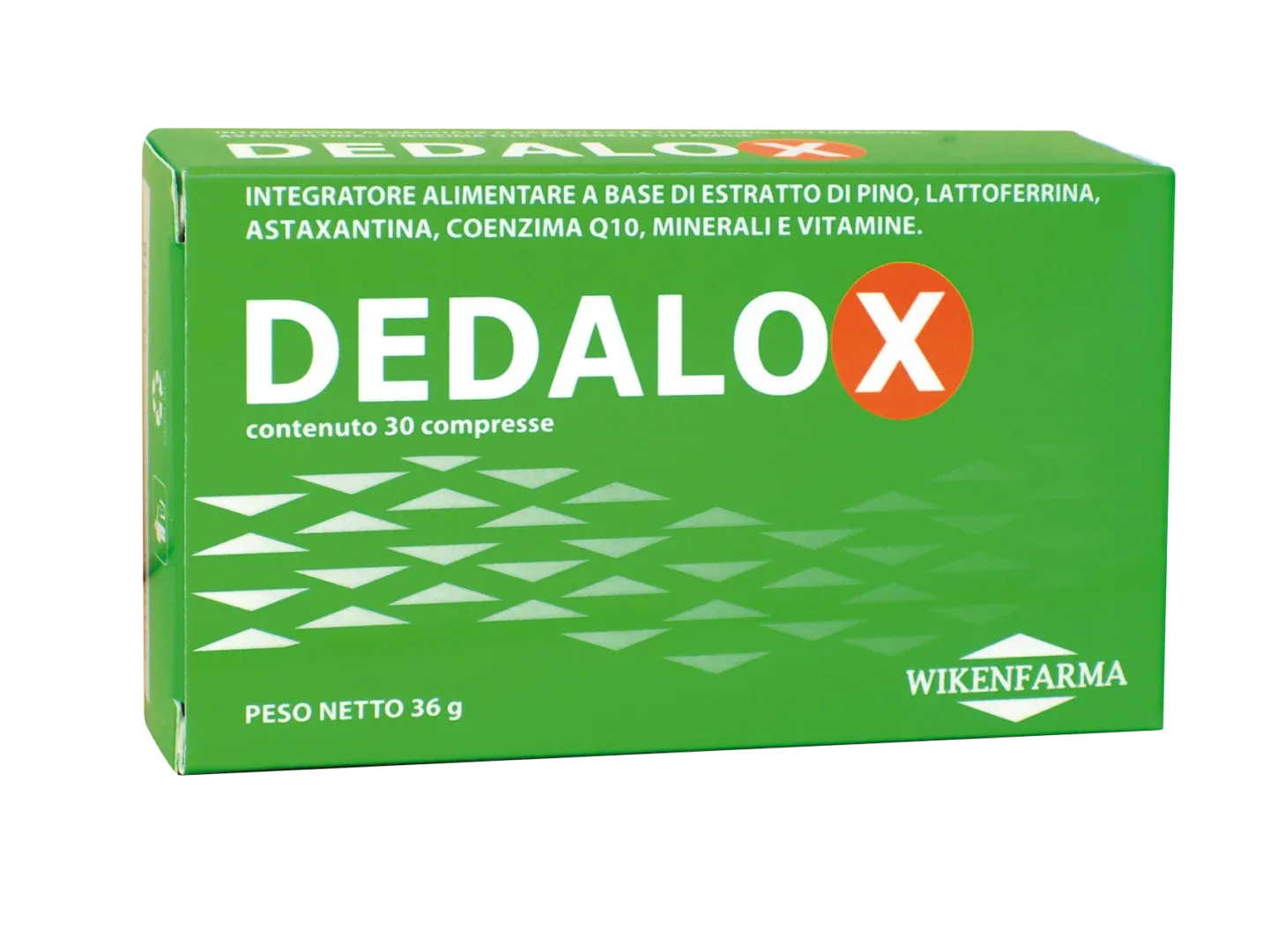
Dedalox 30 cpr
Dedalox is a supplement containing French Pine, Lactoferrin, Astaxanthin, Coenzyme Q10 and minerals.
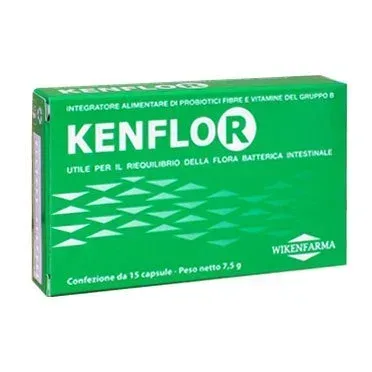
Kenflor 15 cps
Kenflor is a supplement containing Fructo Oligosaccharides, Lactobacilli, Bifidobacteria, Fiber and B Vitamins


