 Skip to content

BLOG MEDICA - ARTICOLI SCIENTIFICI
Sull’utilizzo di nutraceutici specifici come coadiuvanti per i trattamenti per l’ADHD
Index
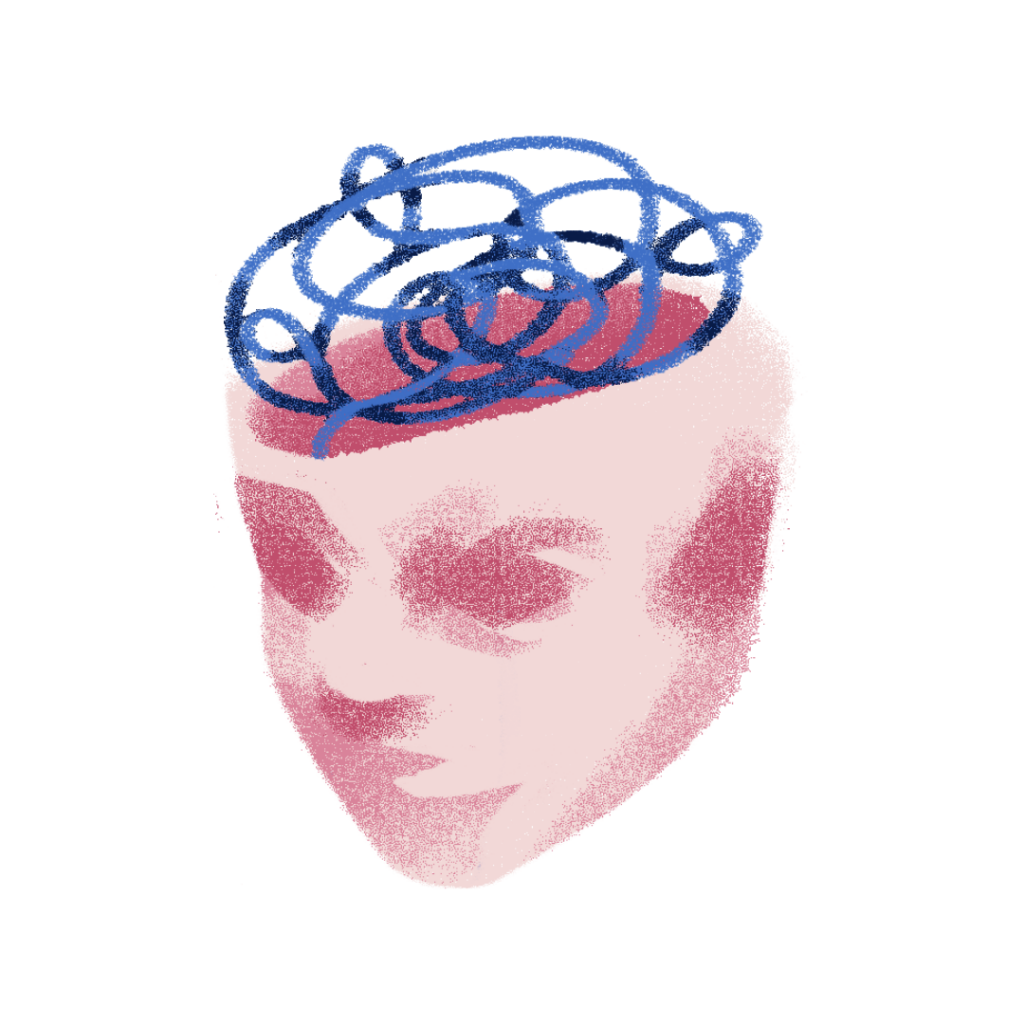
In recent decades, neurodevelopmental disorders have been studied with increasing attention by the international medical community.These problems vary in nature and severity, and one among them is particularly prevalent, namely attention deficit hyperactivity disorder (ADHD). This affects between 5 and 15 percent of children worldwide, persisting even after reaching adulthood in about 2.5 percent of adults.[1] ADHD is defined according to dsm 5 as a disorder that has the following characteristic parameters[1]:
- Difficulty in concentration
- Difficulty in completing tasks
- Mood swings
- Impatience
- Difficulties in maintaining relationships
- Difficulty in remaining still (motor hyperactivity)
ADHD appears to be more common in boys, rather than girls, and is genetic in origin, although some environmental factors may be risk factors for the development of the disorder in otherwise already genetically predisposed children. However, it should be noted that not all genetically predisposed children actually develop the disorder.[2]
Esistono fattori di rischio noti?
Known risk factors appear to be [2]:
- Prenatal exposure to high doses of manganese, alcohol and cocaine
- childhood exposure to lead
- iron deficiency
- The development of obstructive sleep apnea in early life.
This issue can negatively impact the development and normal interpersonal skills of the affected child, by virtue of lower school performance and worse adaptation to social life.
The exact cause of this disorder is currently unknown, although it is known as alterations in certain areas of the brain responsible for regulating inhibition e self-control can cause the onset of symptoms, it is reasonable to assume that the substances mentioned earlier as risk factors may contribute to causing such brain changes.
Gli effetti benefici della colina
There is scientific evidence in both animal models (mice) and human models as to how dietary choline supplementation in pregnant women can counteract the negative effect of manganese and, in general, reduce the incidence of neurodevelopmental disorders in the infant.[3
Manganese is an essential micronutrient, but at excessive dosages it is a potential toxic element for the nervous system. Increased intake of choline via the maternal placenta allows the fetus to reduce the bioavailability of manganese ions, returning them to physiological doses and reducing their toxic action and, consequently, the extent of neurodevelopmental disorders later suffered by the child.[4
In addition to this important benefit, we can also consider that choline, when added to the diet of pregnant women, also appears to have long-term benefits for the child by generally reducing the onset and severity of symptoms of ADHD and autism.[5]
Obviously, it is not always possible to prevent the onset of the disorder in the genetically inclined child, but treatment can be opted for to help the child fit better into society with psychological and, if necessary, pharmaceutical support.
Commonly used drugs for therapeutic support of ADHD therapy are atomoxetine and methylphenidate, with methylphenidate being preferred by far. The latter has some common side effects that are quite troublesome: first and foremost, the fact that it can slow down the growth and development of the child taking it.[6,7] Atomoxetine also has some side effects of no small importance, including the possibility of severely altering the child’s mood as well as the possibility of retarding the child ‘s development. By virtue of this, the clinician may opt for a response to the problem that is less prone to side effects, relying more on psychological support and supplementing it with the use of specific nutraceuticals containing active ingredients with known CNS action.[8]
Utilizzare il Ginkgo biloba per trattare l’ADHD
Related to what has just been mentioned, we can mention Ginkgo biloba extract, which exerts vasodilatory and anticoagulant action due to its ginkgosides, which are able to easily cross the blood-brain barrier . In fact, ginkgo extract, by increasing blood flow to the brain, greatly improves brain function and the ability to concentrate, with an optimal tolerability profile, presenting no side effects in studies in which it was tested for the treatment of ADHD in children.
Given the high-quality scientific evidence regarding the tolerability and efficacy of ginkgo to combat the symptoms of ADHD, it is reasonable, therefore, to consider it a useful aid in the treatment of ADHD in children in whom the use of medication has either failed or cannot continue due to problems with sensitivity to the active ingredients.[9][10][11] In addition, Ginkgo extract can also be used in combination with methylphenidate treatment, experimental evidence shows that taking 80mg/day of ginkgo extract can increase the effectiveness of drug therapy by up to 35 percent.[12]
Psico UP: una soluzione SPECIFICA
Thus, we can conclude that supplementation of Ginkgo biloba e.s. associated with Choline may be a useful means of ADHD prevention in mothers who know they are at risk or in infants who have not yet been shown to have developed the disorder and, conversely, may also be a useful alternative to drug therapy in those who cannot take it because they are allergic/sensitive to the approved active ingredients or when simply resorting to atomoxetine and methylphenidate is still premature.
By virtue of this, Wikenfarma research has developed Psico-Up, which, thanks to its high choline and ginkgo content, helps reduce the symptoms of ADHD by improving the concentration ability of the child suffering from ADHD and thus allowing him or her a better quality of life.
Psico Up is the first nutraceutical to exploit the synergy between two psychoactive active ingredients: Ginkgo Biloba and Choline. Unlike other nutraceuticals with active ingredients that fail to cross the blood-brain barrier, the nootropic action of Psico Up is very pronounced from the first administration and has no side effects whatsoever. Suitable, in summary, for intake by fragile patients such as children or pregnant women.
Condividi l'articolo sui tuoi social!
Bibliografia
1 American Psychiatric Association. Diagnostic and Statistical Manual of Mental Disorders. American Psychiatric Association; 2013. DOI: 10.1176/appi.books.9780890425596
2 Morrow CE, Accornero VH, Xue L, Manjunath S, Culbertson JL, Anthony JC, et al. Estimated Risk of Developing Selected DSM-IV Disorders Among 5-Year-Old Children with Prenatal Cocaine Exposure. J Child Fam Stud. 2009 Jun;18(3):356-64.
3 Derbyshire E, Maes M. The Role of Choline in Neurodevelopmental Disorders-A Narrative Review Focusing on ASC, ADHD and Dyslexia. Nutrients. 2023 Jun;15(13):2876.
4 Howard SL, Beaudin SA, Strupp BJ, Smith DR. Maternal choline supplementation lessens the behavioral dysfunction produced by developmental manganese exposure in a rodent model of ADHD. Neurotoxicol Teratol. 2024 Mar;102:107337.
5 Shanna L. Howard. MATERNAL CHOLINE SUPPLEMENTATION AS A NUTRITIONAL INTERVENTION TO PROTECT AGAINST MN-INDUCED NEUROTOXICITY. 2024
6 GREENHILL L, KOLLINS S, ABIKOFF H, MCCRACKEN J, RIDDLE M, SWANSON J, et al. Efficacy and Safety of Immediate-Release Methylphenidate Treatment for Preschoolers With ADHD. J Am Acad Child Adolesc Psychiatry. 2006 Nov;45(11):1284-93.
7 WIGAL T, GREENHILL L, CHUANG S, McGOUGH J, VITIELLO B, SKROBALA A, et al. Safety and Tolerability of Methylphenidate in Preschool Children With ADHD. J Am Acad Child Adolesc Psychiatry. 2006 Nov;45(11):1294-303.
8 Childress A. A critical appraisal of atomoxetine in the management of ADHD. Ther Clin Risk Manag. 2015 Dec;27.
9 Sharma G, Sharma N, Nguyen BT, Jeong JH, Nah S-Y, Yoneda Y, et al. Protective Potential of Ginkgo biloba Against an ADHD-like Condition. Curr Mol Pharmacol. 2020 Dec;14(2):200-9.
10 Uebel-von Sandersleben H, Rothenberger A, Albrecht B, Rothenberger LG, Klement S, Bock N. Ginkgo biloba Extract EGb 761 ® in Children with ADHD. Z Kinder Jugendpsychiatr Psychother. 2014 Sep;42(5):337-47.
11 Bloch MH, Mulqueen J. Nutritional Supplements for the Treatment of ADHD. Child Adolesc Psychiatr Clin N Am. 2014 Oct;23(4):883-97.
12 Shakibaei F, Radmanesh M, Salari E, Mahaki B. Ginkgo biloba in the treatment of attention-deficit/hyperactivity disorder in children and adolescents. A randomized, placebo-controlled, trial. Complement Ther Clin Pract. 2015 May;21(2):61-7.
Stay up to date*, sign up for our Newsletter to receive every article on your email!
Potrebbe interessarti anche...
-
 23 Feb 2026STUDIO SU UN NUTRACEUTICO ED UNA LOZIONE FITOTERAPICA IN DONNE CON ALOPECIA FEMMINILE POST-MENOPAUSA
 -
 15 Sep 2025THE USE OF GINKGO BILOBA EXTRACT IN THE TREATMENT OF CHRONIC FATIGUE SYNDROME
 -
 04 Jul 2025ON THE USE OF SPECIFIC NUTRACEUTICALS AS ADJUNCTS TO TREATMENTS FOR ADHD
 -
 24 Jun 2025THEY TALK ABOUT TRIVIS UV ON “THE SKIN”
 -
 19 Jun 2025ON THE BENEFITS OF HYALURONIC ACID ON SCALP AND FOLLICLES
Prodotti in questo articolo:

Psych Up
Supplement to support concentration and attention. With Choline and Ginkgo Biloba to stimulate cognitive processes.


