 Skip to content

Scientific articles
THE IMPORTANCE OF HESPERIDIN AND DIOSMIN FOR CIRCULATORY HEALTH
Treatments for venous insufficiency and hemorrhoidal disease

Index
Hesperidin and diosmin are two plant-derived flavonoids with very important qualities and benefits from the point of view of phytotherapy. Specifically, there are several articles in the literature attesting to the anti-inflammatory, anti-edemigenous and anti-aggregative abilities of hesperidin and diosmin, especially when they are combined with each other. [1,2]
This combined combination is already present and widely used for the treatment of hemorrhoidal diseases, precisely because of the anti-inflammatory capabilities of these active ingredients, in fact, there can be a significant reduction in pain and bleeding associated with this condition.[3][4]
However, the combination of hesperidin and diosmin is not only useful in cases of hemorrhoids, but both active ingredients have significant and important pharmacological activity.
When to use Esperidin and Diosmin in formulations?
Hesperidin is obtained from a wide variety of citrus fruits, while diosmin is produced from a wide variety of plants, but is commonly extracted from the mesocarp of fruits in the genus Citrus, as is hesperidin.
Both of the molecules mentioned are polyphenols, diosmin being a flavone-glycoside while hesperidin is a flavanone-glycoside, specifically this makes them water-soluble though endowed with a particularly sour taste to the palate.[4]
Being polyphenols, both molecules are therefore capable of exerting important antioxidant and anti-inflammatory activity, as well as having “vitamin-like” activity that reduces capillary permeability: in fact, for a long time these and other polyphenols were known as “vitamin P.”[5]
This reduction in capillary permeability is precisely one of the effects underlying the improvement in skin microcirculation experienced by those taking diosmin and hesperidin combination products.
Treatment of venous insufficiency
By virtue of this property, and anti-aggregant properties, diosmin and hesperidin also exert an action to counter venous stasis.[1,2] Diosmin is capable of binding to prothrombin, inhibiting it, and this binding is stronger if diosmin has been metabolized with production of diosmin sulfate.
Lastly, diosmin and hesperidin exhibit some antihypertensive activity, acting both on the venous smooth muscle to induce its relaxation and reducing the amount of free superoxide (O2-) anions in the blood due to their antioxidant activity.
The latter chemical species is of particular interest because it has an action on nitrogen oxides that are naturally present in the blood and act as vasodilators. The superoxide ion reacts with these chemical species to form peroxynitrite, an oxidizing chemical species that damages the cells of the venous endothelium. In addition, O2- ion is also a strong oxidant that, if not inactivated, damages membrane lipids, proteins, and DNA. [6]
Because of the characteristics already discussed, Diosmin and hesperidin have been included, together with other active ingredients with antiplatelet action, the coumarins of melilotus, and vasodilator action, the escin of horse chestnut extract, in the formulation of Fleboken 36cps, a product created by Wikenfarma research in order to give a strong answer to the problem of venous insufficiency and hemorrhoidal disease.
In detail, it is a specific nutraceutical forthe treatment of venous stasis with a powerful anti-oedemigenic effect, reducing fluid accumulation and safeguarding capillary health. In contrast to alternatives on the market, which often have very heavy side effects, Fleboken does not present any side effects related to circulation, proving to be the most viable and safe formulation.
For more information...
Share the article on your socials!
Stay up to date*, sign up for our Newsletter to receive every article on your email!
You may also be interested in.
-
 23 Feb 2026STUDIO SU UN NUTRACEUTICO ED UNA LOZIONE FITOTERAPICA IN DONNE CON ALOPECIA FEMMINILE POST-MENOPAUSA
 -
 15 Sep 2025THE USE OF GINKGO BILOBA EXTRACT IN THE TREATMENT OF CHRONIC FATIGUE SYNDROME
 -
 04 Jul 2025ON THE USE OF SPECIFIC NUTRACEUTICALS AS ADJUNCTS TO TREATMENTS FOR ADHD
 -
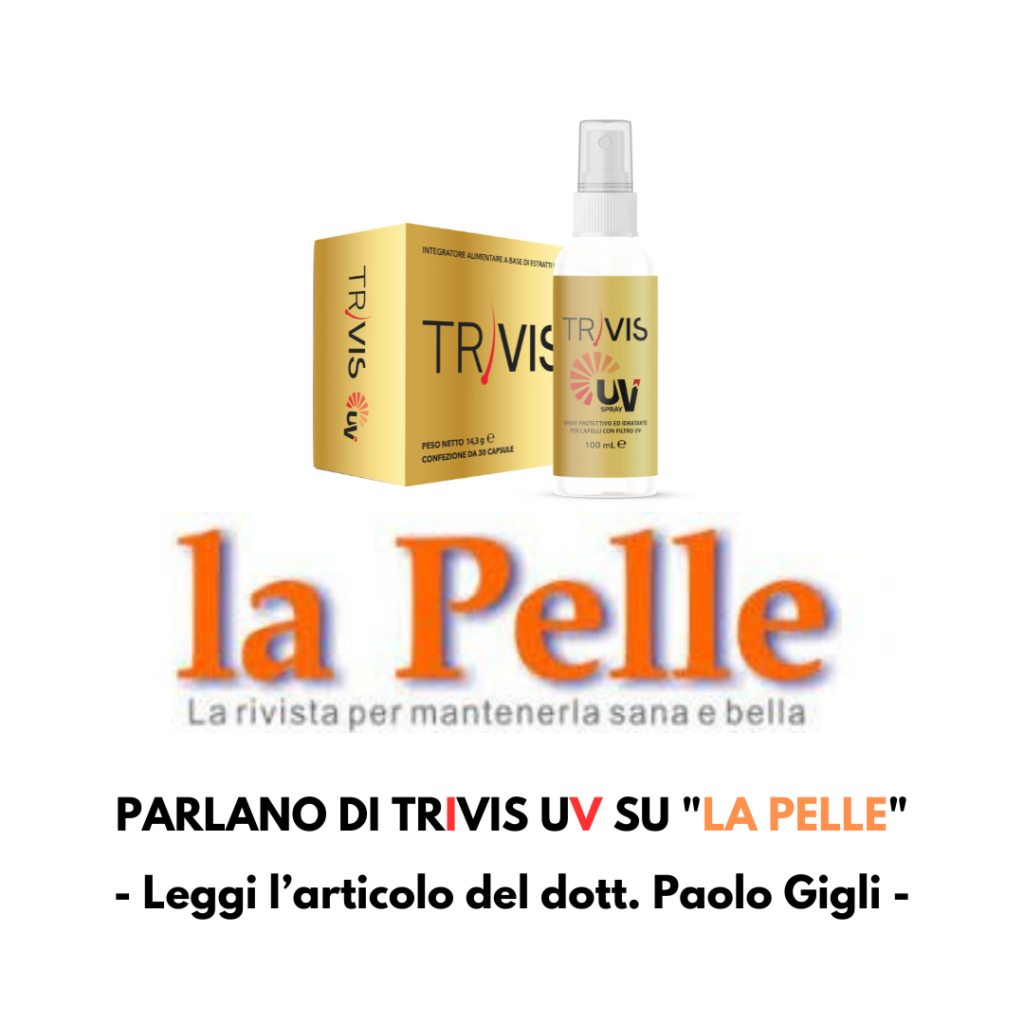 24 Jun 2025THEY TALK ABOUT TRIVIS UV ON “THE SKIN”
 -
 19 Jun 2025ON THE BENEFITS OF HYALURONIC ACID ON SCALP AND FOLLICLES
Products in this article:
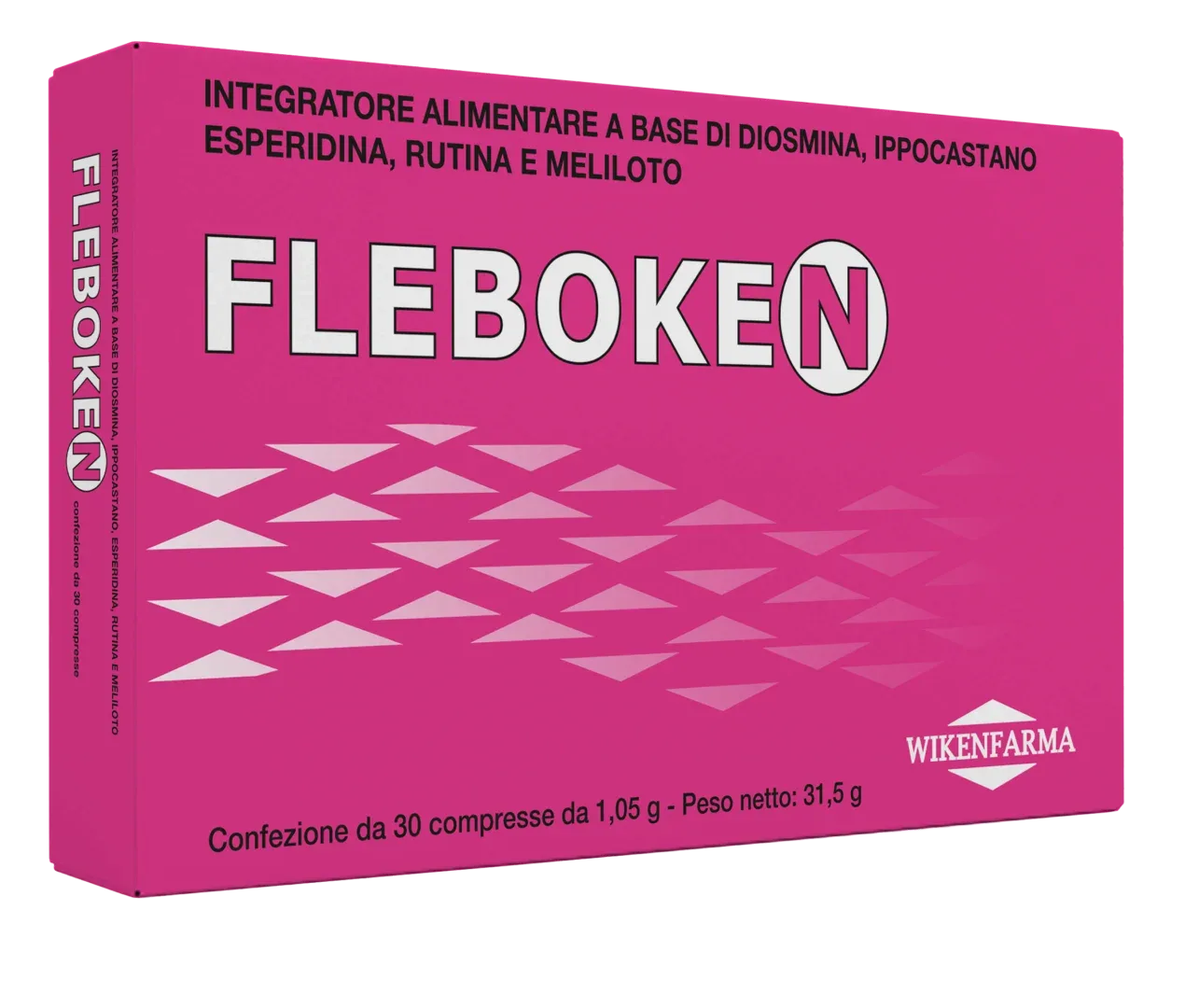
Fleboken 30CPS
Fleboken is an adjuvant supplement for cellulite and venous stasis high in diosmin, hesperidin, melilot, horse chestnut and rutin
Bibliography
[1] Huwait E, Mobashir M. Potential and Therapeutic Roles of Diosmin in Human Diseases. Biomedicines. 2022 May;10(5):1076.
[2] Roohbakhsh A, Parhiz H, Soltani F, Rezaee R, Iranshahi M. Molecular mechanisms behind the biological effects of hesperidin and hesperetin for the prevention of cancer and cardiovascular diseases. Life Sci. 2015 Mar;124:64-74.
[3] Romano L, Nervini A, Stia S, Schietroma M, Giuliani A. A combination of diosmin, hesperidin, and ruscogenin. Formosan Journal of Surgery. 2022;55(4):129-33.
[4] Singh S, Strydom M, Balmith M, Megaw C, Nell M. The role of flavonoids in the pharmacological treatment of haemorrhoids. South African General Practitioner. 2024 Mar;5(1):36-44.
[5] Garg A, Garg S, Zaneveld LJD, Singla AK. Chemistry and pharmacology of the citrus bioflavonoid hesperidin. Phytotherapy Research. 2001 Dec;15(8):655-69.
[6] Cuzzocrea S, Mazzon E, Dugo L, Di Paola R, Caputi AP, Salvemini D. Superoxide: a key player in hypertension. The FASEB Journal. 2004 Jan;18(1):94-101.


