 Skip to content



Tricoblog
FIND OUT HOW ANXIETY AND SLEEP
AFFECT THE HEALTH
OF YOUR HAIR
All the tips to avoid an untimely fall!
Index
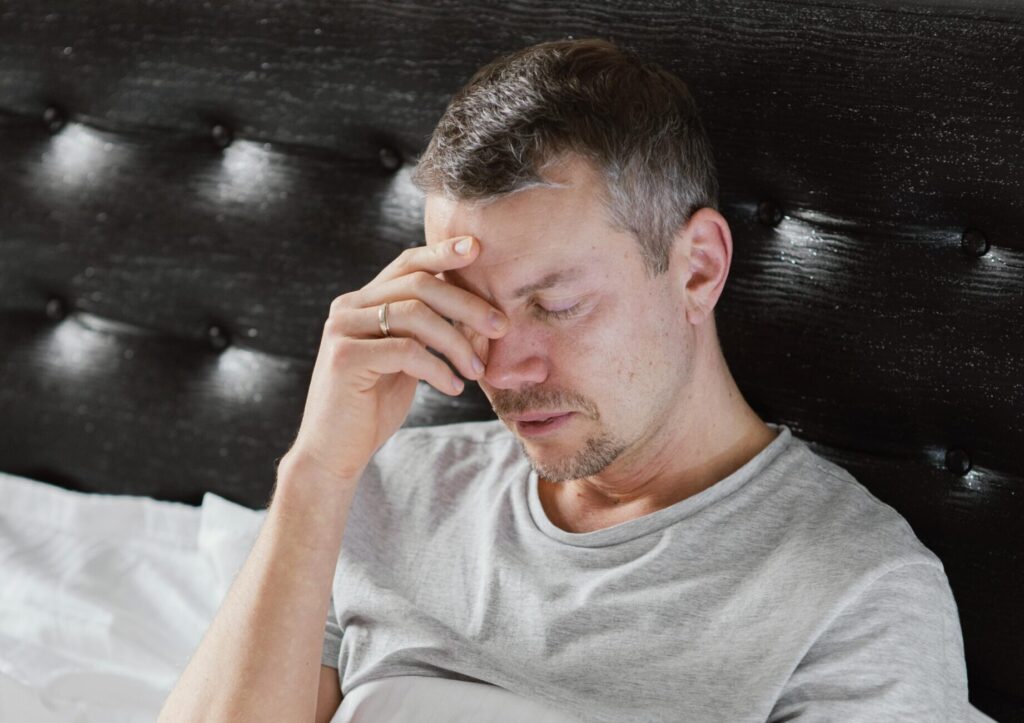
According to recent studies, about 40 percent of people (most of whom are male) with anxiety- or sleep-related disorders report increasing damage to their hair, which often manifests as extreme brittleness (so it tends to break), loss of volume (resulting in thinner hair), or more or less abundant hair loss.
Hair health is affected by numerous factors, many of them physiological, that are often overlooked. Two crucial elements that affect scalp health are anxiety and sleep disturbances.While it is easy to recognize the importance of shampoos, conditioners, and specific hair care treatments, it is much more complex to pay attention to the effects that our mental health and night rest have on the hair follicle and its development.
What are the concrete consequences of anxiety on hair?
Anxiety is a reaction natural to certain situations in life and can become a problem when it generates a chronic state of stress.When one is anxious, in fact, the body produces stress hormones, such as cortisol and adrenaline.These hormones are not really harmful, however, when stress is prolonged over time they can create imbalances that have extremely negative effects on the body and specifically on the hair.
- Effect on the hair growth cycle: When subjected to chronic stress or prolonged anxiety, many hair follicles may enter the telogen phase prematurely, causing widespread hair loss. This phenomenon is known as telogen effluvium and can lead to a significant reduction in hair density.
- Reduced nutrient intake: Anxiety, especially if constant, can affect the digestion and absorption of nutrients. In many cases, chronic anxiety sufferers may experience loss of appetite or digestive difficulties, thus reducing the intake of vitamins and minerals essential for hair growth.
- Inflammation and sebum: Anxiety is also associated with systemic inflammation, which can worsen skin conditions such as dermatitis and dandruff. In addition, increased stress hormones can cause excessive sebum production, leading to greasier hair and promoting the onset of disorders such as seborrheic dermatitis.
What about sleep disorders?
Sleep is one of the basic pillars of human health and influences every aspect of our mental and physical well-being, including hair health. Our bodies use sleep to regenerate and maintain proper hormonal balance, two processes that are also essential for hair growth. Poor rest affects:
- Hormonal Balance and Capillary Cycle: Inadequate sleep alters the production processes of essential hormones, causing a reduction in anabolic hormones, such as testosterone, and increasing, instead, catabolic (stress-related) hormones. This imbalance can interfere with the normal hair growth cycle, causing it to fall out o by slowing growth.
- Increased Free Radicals: Lack of sleep leads the body to produce more free radicals, which are unstable molecules that cause cellular damage. These molecules also affect hair follicle cells, causing weakening and increasing the risk of hair loss.
- Circadian Rhythm: Lack of sleep alters the circadian rhythm (i.e., sleep-wake alternation) and can negatively affect the metabolism of the scalp and hair follicles, leading to a slowdown in the growth of hair.
An estimated 15-20% of the world’s population suffers from hair problems caused by a combination of these factors; therefore, proper precautions should be taken. This issue afflicts the population most men.
Is it possible to take action to maintain healthy hair?
Although these are problems with varied causes, with a few simple steps it is possible to keep the scalp healthy, greatly improving its condition. As you might guess, sleep is crucial, therefore ensure at least 7-8 hours of sleep per night is essential to regulate hormonal imbalances that trigger premature hair loss.
As for anxiety and stress, however, physical activity light and stress management techniques may prove effective in reducing cortisol levels and improving overall well-being.
A pivotal factor in bringing benefits to mental and physical well-being is, without a shadow of a doubt, nutrition: to offset the effects of anxiety and sleep deprivation, it is important to follow a balanced diet. B vitamins, vitamin D, iron and zinc are essential nutrients for hair growth, and supplementing the diet with foods rich in these nutrients will help protect follicles from damage.
In addition to the above, you can also specifically supplement nutrients such as biotin and omega-3, which can in fact help restore and maintain healthy hair.
Is there a SAFE and SPECIFIC product that can solve this problem?
To counteract the negative impact of poor rest, anxiety and stress on hair, research Wikenfarma has developed RestaX Gaba, which is the first nutraceutical specifically designed to counteract on the psychological causes related to hair loss and AGA: unlike its competitors, it acts directly to combat all those factors related to psychological well-being that trigger premature hair loss. In fact, RestaX Gaba is the first one designed specifically to counteract the negative effects of anxiety and insomnia in male AGA.
Share the article on your socials!
Stay up to date*, sign up for our Newsletter to receive every article on your email!
You may also be interested in.
-
 09 Jun 2025THE ESSENTIAL GUIDE TO PROTECTING YOUR HAIR DURING THE SUMMER!
 -
 11 Apr 2025HOW TO RECOGNIZE A BIOTIN DEFICIENCY
 -
 28 Mar 2025HOW TO DISTINGUISH SEASONAL FALL FROM OTHER FORMS OF ALOPECIA
 -
 14 Mar 2025ALL THE INFORMATION YOU NEEDED ABOUT POSTMENOPAUSAL THINNING
 -
 28 Feb 2025FIND OUT HOW TO RECOGNIZE THE EARLY SIGNS OF FEMALE ALOPECIA!
Products in this article:
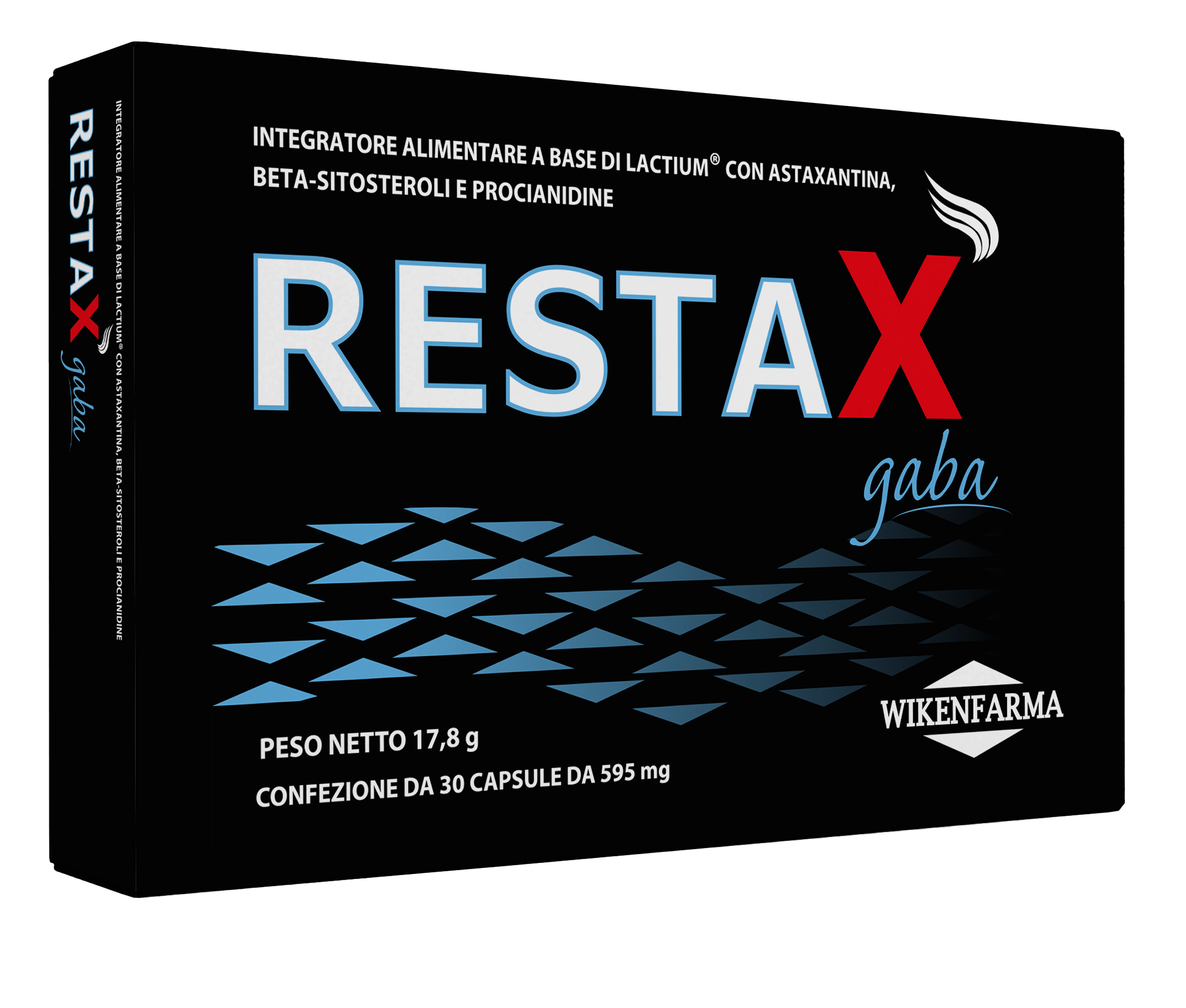
RestaX Gaba 30CPS
Restax Gaba 30Cps is recommended in cases of Male Psychogenic Alopecia
